Cleaning schedules set by risk
Not every room in a practice needs the same treatment. Consulting rooms, treatment rooms and patient toilets carry higher risk than offices and staff rooms. Your schedule sets the cleaning frequency and method for each area, in line with the NHS National Standards of Healthcare Cleanliness.
Dental practice cleaning
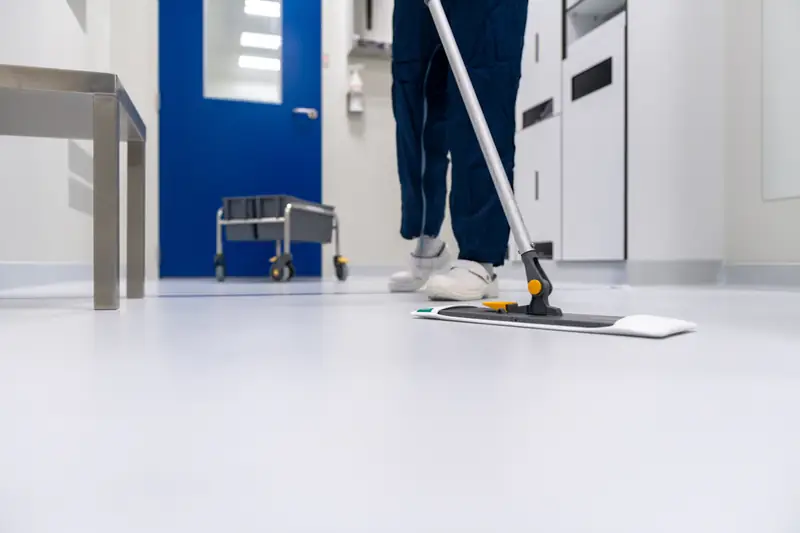
For dental surgeries, we clean floors, worktops, sinks and fixtures in the surgery after the last patient, alongside the waiting room, reception and patient toilets. Chair and equipment decontamination usually stays with your dental nurses. We'll work to whatever split your infection-control lead sets.
GP surgeries and health centres
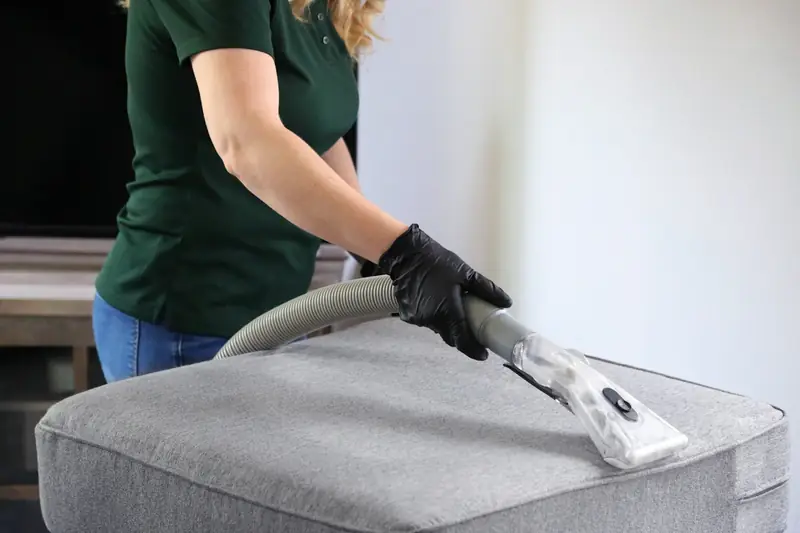
GP practices often need a daily early-morning or evening clean, with an extra midday clean of patient toilets and waiting areas during busy periods. We can also cover periodic deep cleans, such as carpet extraction and high-level dusting, ahead of inspection visits.
Private and aesthetic clinics
Smaller clinics in Norwich, from physiotherapy and chiropractic to aesthetics and podiatry, get the same discipline scaled down: colour-coded kit, a written schedule and a log your team can check.
Frequently asked questions
Do you clean clinical rooms or just non-clinical areas?
Both, to the schedule your practice sets. Some practices keep clinical surfaces and decontamination rooms with their own staff and ask us to clean everything else. Others hand over the whole building. We'll agree the split in writing.
What records do you provide?
Cleaning schedules, signed daily logs and monthly audit sheets, kept in a format you can show a CQC inspector as evidence of cleanliness and infection control.
What colour coding do you use?
The national colour code used in UK healthcare: red for washrooms and toilets, blue for general areas, green for kitchens and yellow for isolation or clinical areas.