What a deep clean includes
Regular cleaning keeps surfaces tidy. A deep clean gets to everything regular cleaning skips: behind, under, inside and above.
Office areas
- High-level dusting of vents, light diffusers, pipework and tops of units
- Desks, pedestals and chairs cleaned inside and out
- Skirting, door frames, radiators and switches washed down
- Internal glass and partitions cleaned edge to edge
Kitchens and break-out areas
- Fridges, microwaves, ovens and dishwashers cleaned inside
- Cupboards emptied, wiped and restocked
- Tiles and grout scrubbed, and sinks and taps descaled
Washrooms
- Limescale removed from toilets, urinals, taps and shower screens
- Wall tiles and cubicle partitions washed
- Floors machine-scrubbed and grout lines treated
Floors
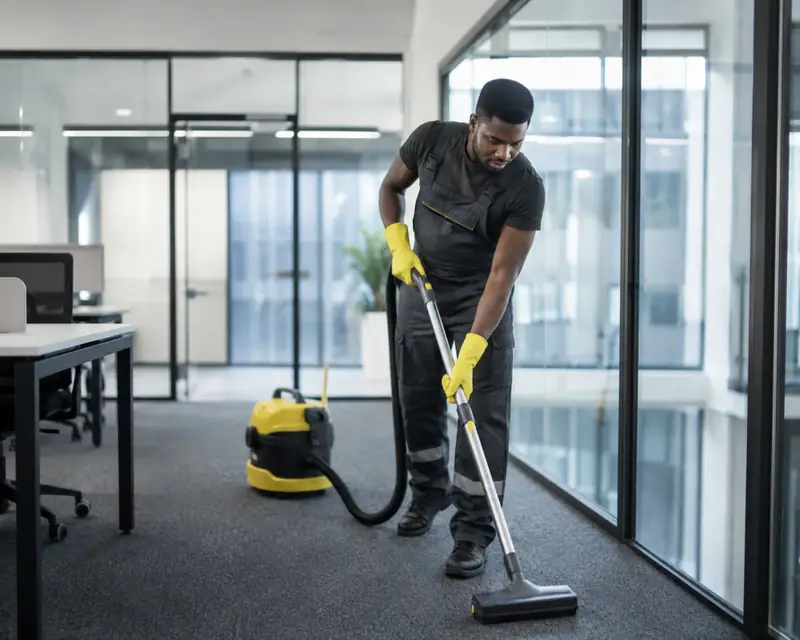
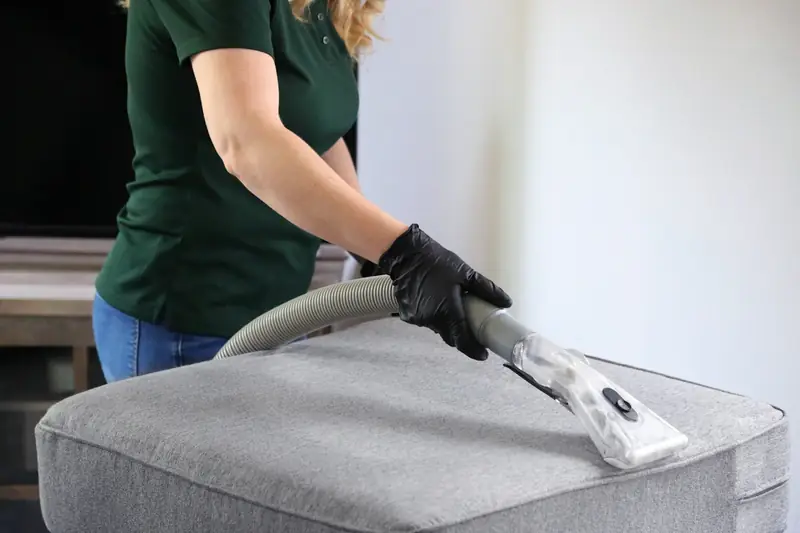
- Carpets hot-water extracted and spot-treated
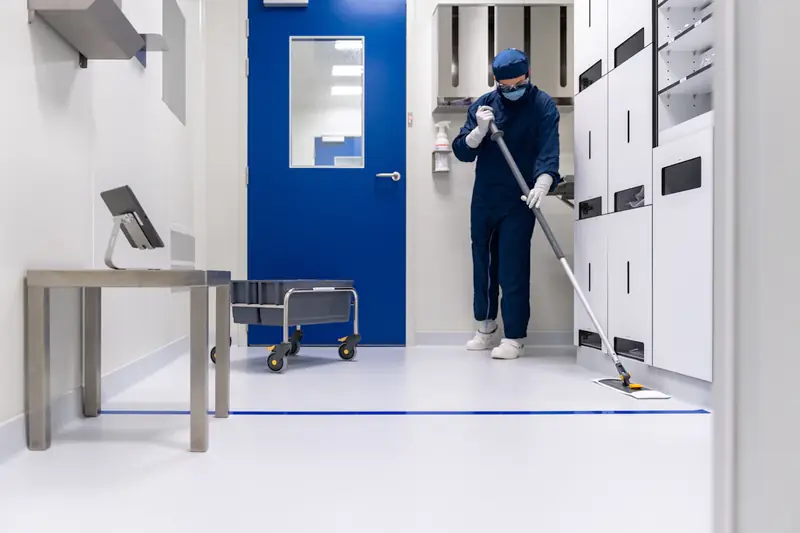
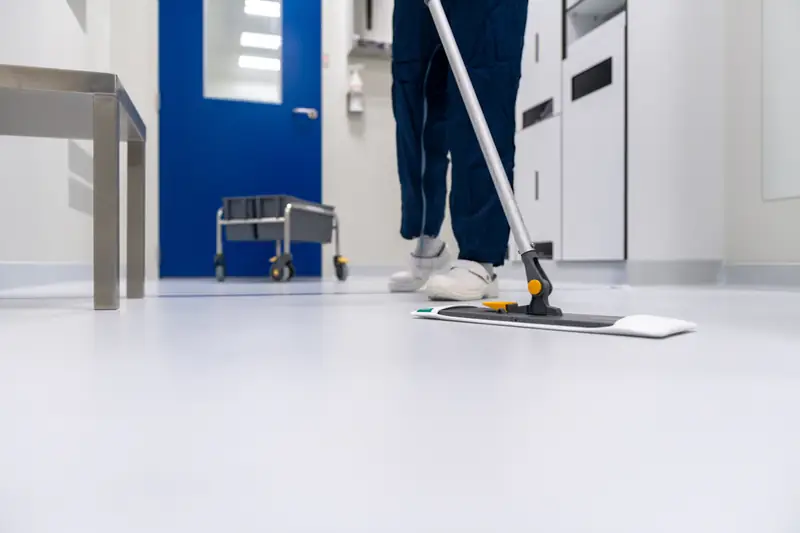
- Vinyl and safety flooring machine-scrubbed
- Hard floors stripped and resealed where needed
End-of-lease cleaning for commercial tenants
If you're leaving an office or unit in Norwich, your landlord will usually expect it back "clean and tidy" under the dilapidations clause. A documented deep clean, with before-and-after photos, gives you something to show the landlord's surveyor and helps protect your deposit.
Deep cleaning after building work
Fine construction dust needs a different approach. See our builders and sparkle cleaning page.
Frequently asked questions
How long does a commercial deep clean take?
A 2,000 sq ft office with a kitchen and two toilets usually takes a team of three a full day. Larger sites are split across a weekend so you open on Monday as normal.
Is a deep clean priced per hour or fixed?
Fixed. We quote a single price after seeing the space, so the cost doesn't go up if a job takes longer than expected.
When do businesses usually book a deep clean?
Before moving into or out of a lease, after a refurbishment, ahead of an inspection or audit, after an illness outbreak, or once a year to reset a building that has regular cleaning.